
The Hudson Harmonic stands on the ancestral homeland of the Mohican (Mahican) people, the original stewards of this land and the river they called Muh-he-con-ne-ok—“the river that flows both ways.” This place was part of a wider Indigenous network of travel, trade, and relationship, with historic connections to neighboring nations including the Munsee Lenape to the south and the Mohawk of the Haudenosaunee Confederacy. We honor the Mohican people, their descendants, and the enduring presence of Indigenous peoples in this region.
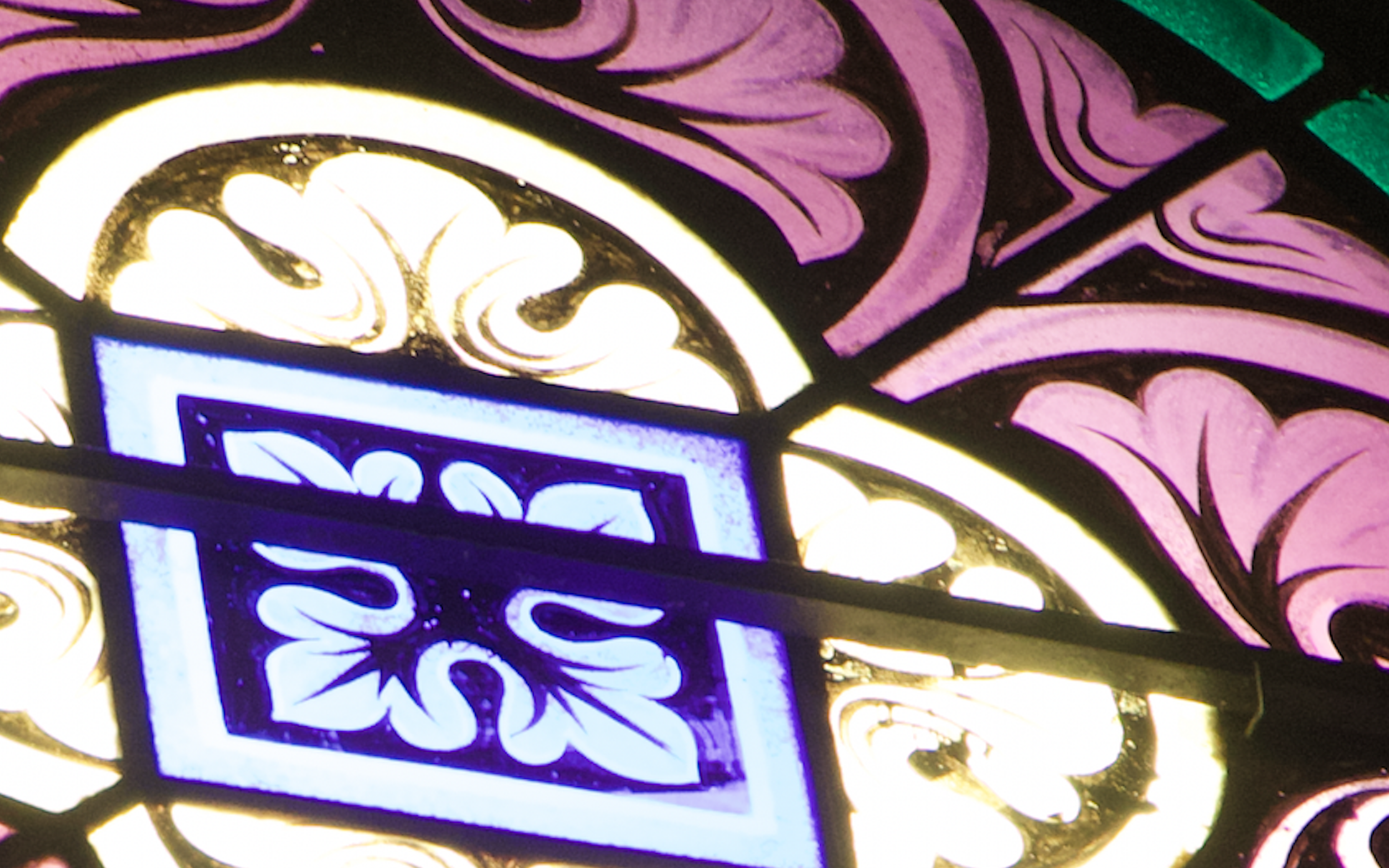
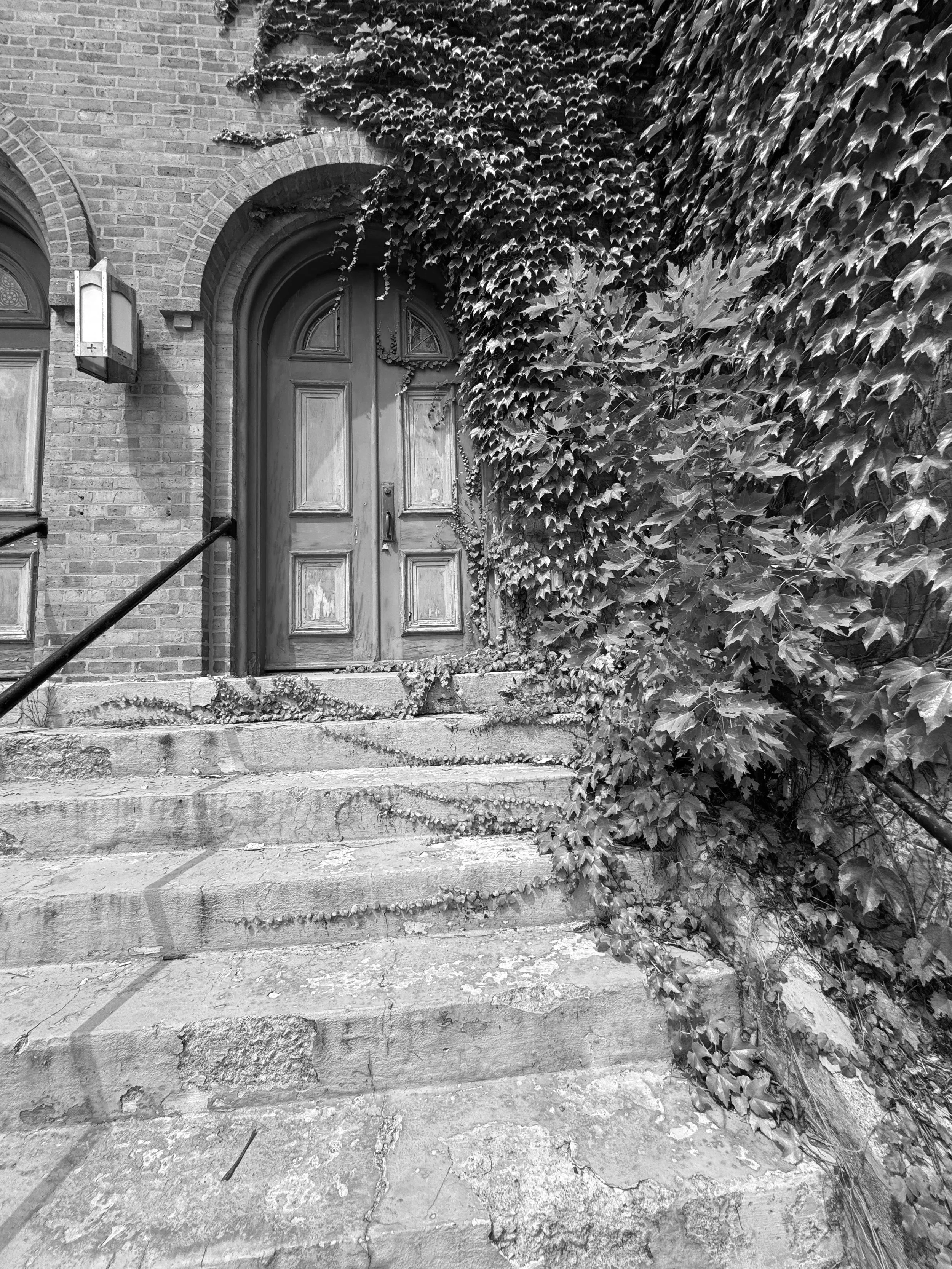
The Hudson Harmonic stands inside a structure first built in 1869, when Hudson was a bustling river town shaped by immigrants, craftsmen, and working families. The building began as a German Lutheran church, and for over a century its tall ceilings held sermons, choirs, baptisms, and civic gatherings.
In the early 2000s, the building entered its second life. Renowned engineer Henry Hirsch transformed the church into a world-class recording space. With a custom analog console and soaring acoustics, the building became a sanctuary of sound, hosting sessions connected to major artists and independent musicians alike.
Under the tenure of composer Patrick Higgins, the studio continued as both a private residence and recording space. The former church once again became a vessel for deep listening.
In 2020, the building found its third steward. Under owner Chris Lindstrom, the space was renamed The Hudson Harmonic—a nod to its musical legacy and a renewed purpose: to revive the building as a home for the arts, philosophy, and regenerative culture.
Today, The Hudson Harmonic is reopening after a thoughtful renovation that honors its layered history while welcoming the Hudson community and beyond. As the world searches for grounded forms of connection, this space is being shaped as a place to gather in stillness and movement, creativity and learning, nourishment and exchange.
Our intention is to cultivate harmony—within ourselves, within our relationships, and within the wider rhythms of life.